

Nigeria’s Port Competitiveness Requires End-to-End Modernisation — Stakeholders
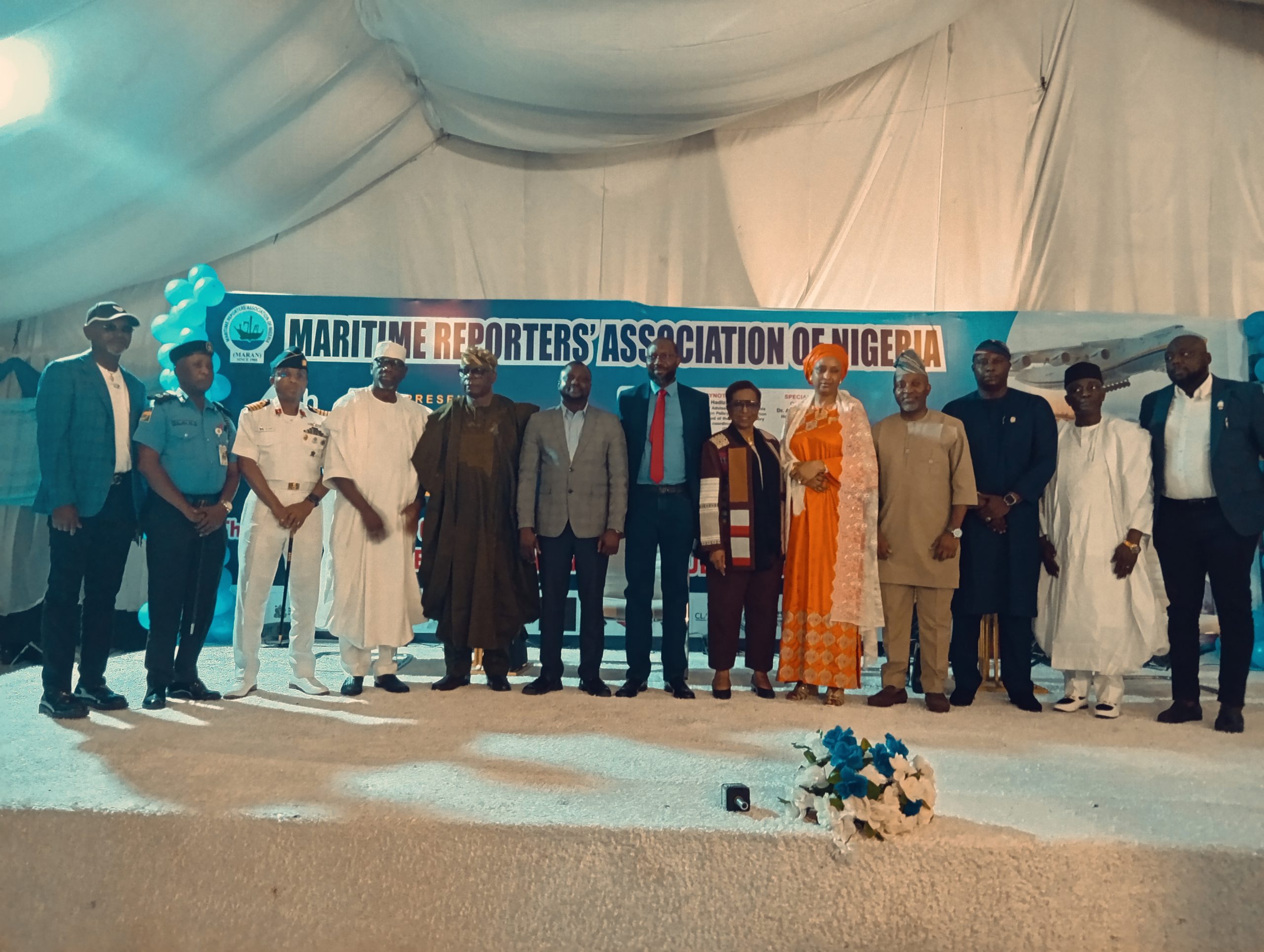
Stakeholders in Nigeria’s maritime sector have called for end-to-end modernisation of the country’s ports, stressing that infrastructure upgrades must be matched with digitalisation, efficient regulation, security and reliable connections to the hinterland.
They made the call at the 2026 Annual Maritime Lecture of the Maritime Reporters Association of Nigeria, MARAN, amid concerns over port costs, congestion, cargo evacuation and the competitiveness of Nigerian ports.
Delivering the keynote address, former Managing Director of the Nigerian Ports Authority, NPA, and Special Adviser to President Bola Ahmed Tinubu on Policy Coordination, Hadiza Bala Usman, said port modernisation must be measured by improvements in cargo movement, turnaround time, logistics costs and export capacity, rather than the amount spent on infrastructure.
Usman identified infrastructure and operational models, modern equipment, digitalisation, institutional reform, human capital development and commercial modernisation as critical pillars of port transformation. She also called for a comprehensive review of the tariff structure, warning that high and unpredictable charges could undermine Nigeria’s competitiveness.
The former NPA boss noted that recent improvements at Nigerian ports were encouraging, citing the World Bank and S&P Global Market Intelligence Container Port Performance Index, which ranked Tin Can Island Port 10th globally and Lagos Port Complex, Apapa, 12th among the world’s most improved container ports between 2020 and 2025.
She, however, stressed that the gains must be sustained through continuous investment, transparent tariffs and measurable service improvements.
Usman also emphasised the importance of hinterland connectivity, noting that the reconstruction of Apapa and Tin Can Island ports, rehabilitation of eastern ports and expansion of Lekki Deep Sea Port would only deliver their full economic value if supported by efficient road, rail, barge, inland logistics and dry-port connections.
Representing the Minister of Marine and Blue Economy, Adegboyega Oyetola, the General Manager, Corporate and Strategic Planning, NPA, Seyi Iyawe, said the Federal Government was committed to transforming Nigeria’s maritime infrastructure and positioning the country as a major maritime hub in West and Central Africa.
Oyetola said the comprehensive modernisation of Apapa, Tin Can Island and other ports would involve rebuilding critical infrastructure, deepening channels, replacing obsolete equipment and improving port operations to accommodate larger vessels, reduce turnaround time and lower cargo-handling costs.
He also highlighted the development of deep-sea ports, investment in marine crafts and improved maritime security, noting that Nigeria had maintained a zero-piracy record in its territorial waters for four consecutive years.
The Minister further said the establishment of the Nigerian Ports Economic Regulatory Agency would strengthen economic regulation by enforcing service standards, monitoring tariffs, promoting fair competition and protecting port users from arbitrary charges.
Also speaking, Executive Director, Operations and Technical, Tantita Security Services Nigeria Limited, Capt. Dr. Warredi Enisuoh, warned that port modernisation would have limited impact without corresponding improvements outside the port gates.
Enisuoh called for better cargo evacuation, road and rail infrastructure, inland waterways, truck management and a reduction in multiple checkpoints and collection points.
“You cannot modernise a port without modernising your exit point,” he said, stressing that automation within Apapa or Tin Can Island alone would not eliminate congestion if cargo evacuation remained inefficient.
He also advocated a genuine one-stop-shop system to reduce the delays and costs associated with dealing with multiple government agencies, while urging the Federal Government to develop ports beyond Lagos as part of a coordinated national maritime strategy.
The speakers agreed that Nigeria’s port competitiveness would require a coordinated approach that brings infrastructure, technology, regulation, security, tariffs and hinterland connectivity into one integrated system.
They maintained that such reforms would help attract regional cargo, support manufacturing and exports, create jobs and strengthen Nigeria’s position in the global trading system.