

High Charges, Ageing Infrastructure Threaten Nigerian Ports’ Competitiveness — MAMAL 2026 Panel
Stakeholders in Nigeria’s maritime sector have identified high port charges, ageing infrastructure, inadequate digital integration and poor attitudes towards public assets as major challenges undermining the competitiveness of Nigerian ports.
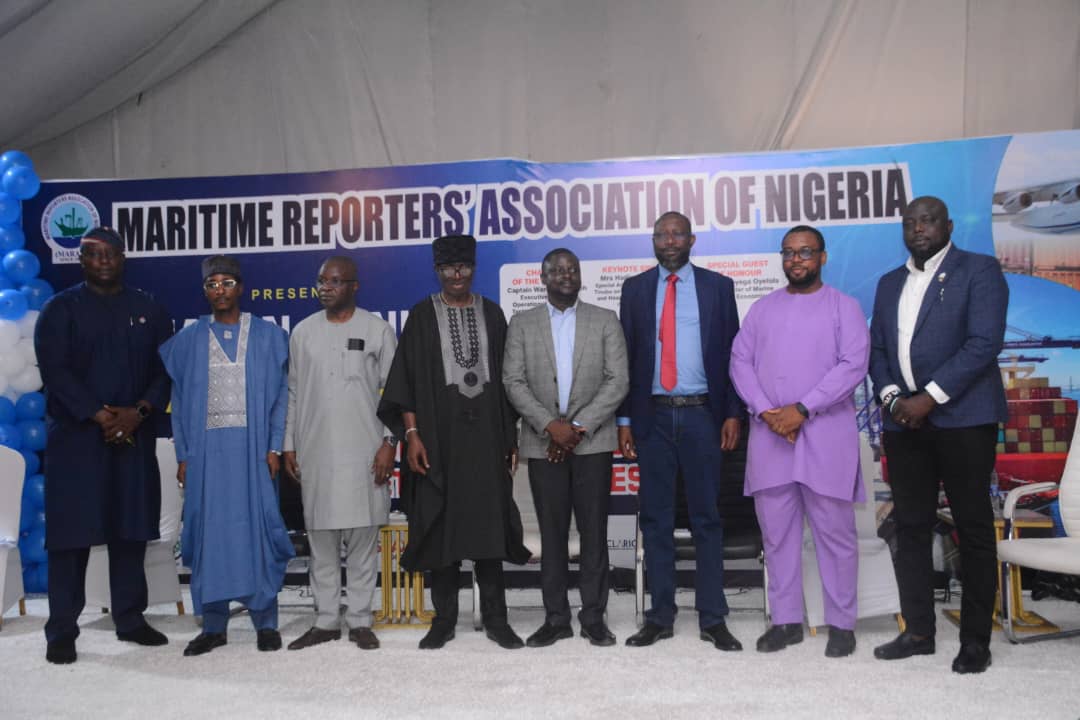
The observations were made during a panel session at the 4th Maritime Reporters’ Association of Nigeria (MARAN) Annual Maritime Lecture, MAMAL 2026, held on Tuesday, September 15, 2026, at the Nigerian Air Force Events Centre, Victoria Island, Lagos.
The lecture, themed “Nigerian Ports Modernisation, Charges and the Competitiveness Question,” examined the cost and efficiency challenges affecting Nigeria’s maritime sector.
Speaking on the panel, NACCIMA representative, Mr. Willem Inya, said the multiplicity of port charges was placing additional pressure on importers and exporters, particularly where delays lead to increased demurrage costs.
He called for the harmonisation and rationalisation of port charges to reduce the cost of doing business and improve the competitiveness of Nigerian businesses.
Also speaking, the Assistant General Manager, Corporate and Strategic Planning, Nigerian Ports Authority (NPA), Mr. Joseph Adegbite, identified ageing infrastructure as a major constraint to efficient port operations.
Adegbite noted that, apart from Lekki Deep Sea Port, most Nigerian ports are more than 50 years old, stressing that infrastructure renewal is critical to improving productivity and reducing vessel and cargo dwell time.
He added that port modernisation must extend beyond physical infrastructure to include digital integration, Port Community Systems, renewable energy and the effective implementation of a Maritime Single Window.
Adegbite said the Federal Government’s port modernisation programme, which is commencing in the Lagos area because of its dominant share of Nigeria’s maritime traffic, would subsequently extend to the Eastern ports.
Contributing, Managing Director of Le Look Bags, Mrs. Chinwe Ezenwa, stressed the need for a change in the attitude of port users and operators towards public infrastructure. She advocated sustained sensitisation and public enlightenment to discourage vandalism and promote responsible use of government assets.
Meanwhile, Captain Ladi Olubowale of the African Ship Owners Association warned that excessive port charges could divert cargo to neighbouring countries, with the additional costs of moving such cargo into Nigeria potentially contributing to higher prices and smuggling.
The panelists consequently called for coordinated port reforms focused on infrastructure renewal, digitalisation, harmonised charges, stakeholder sensitisation and improved operational efficiency.
They stressed that Nigeria’s maritime potential could translate into greater economic benefits only when its ports become efficient, competitive and attractive to cargo owners and regional traders.
The MARAN flagship annual maritime lecture brought together policymakers, regulators, industry operators, academics and maritime journalists to examine the challenges and opportunities surrounding the modernisation and competitiveness of Nigerian ports.